ASCENDANT DEVELOPMENT
Ascendant investor education | Rental housing
Understand build to rent before you invest
Build to rent communities bring private entries, larger floor plans and professional management together in one rental neighborhood. Learn how this housing format compares with traditional Class A apartments and what to evaluate as an investor.
Ascendant Development’s five minute guide, What Is Build to Rent? A Guide for Multifamily Investors, covers resident demand, operating costs and a hypothetical rent comparison.
Evaluate the BTR product, rents and operating plan
Use Ascendant Development’s investor guide to examine how a purpose built rental neighborhood fits its site, residents and submarket.
Understand the housing formats
BTR includes townhome rentals, detached cottages and hybrid communities. Homes are planned, built and operated together on one site, with shared amenities and professional management.
Compare BTR with traditional apartments
Private entries, yards or garages can appeal to renters seeking more space. Compare unit size, density and amenities with nearby Class A apartments, then evaluate rents against the monthly cost of owning a comparable home.
Read the operating budget
Review landscaping, irrigation, exterior maintenance and utility responsibilities. More ground area per home can increase maintenance costs, so your underwriting should reflect the specific community design and management plan.
Distinguish total rent from rent per square foot
The guide’s hypothetical example compares a 900 square foot apartment at $1.80 per square foot with a 1,300 square foot BTR home at $1.65. Monthly rents are $1,620 and $2,145 respectively. The larger home produces $525 more monthly rent at a lower rate per square foot. This is an illustration only, not a projection or offering terms.
Prepare your diligence questions
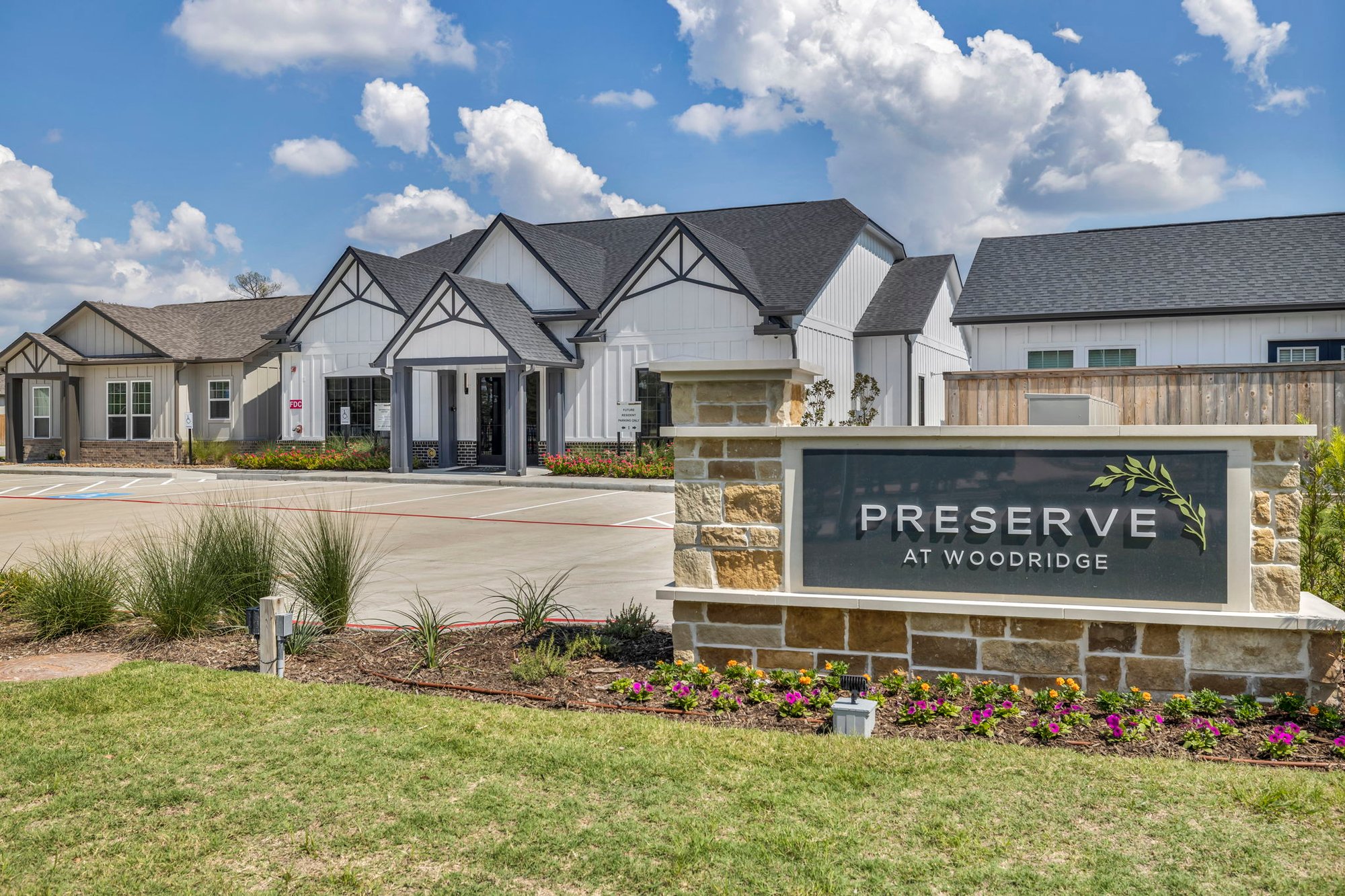
Ask about schools, commute patterns, competing supply and the sponsor’s experience with BTR construction and leasing. Review whether interest reserves cover a slower construction or leasing schedule. The guide includes Ascendant communities such as Amplify Tomball and Preserve at HWY 6.
Sign up for Ascendant investor education
Join Ascendant Development’s investor list for education on build to rent and Class A multifamily development, research and notices of opportunities available to verified accredited investors.
Use the BTR guide’s operating considerations and diligence questions as you review rental housing investments. Signing up does not verify your accreditation, reserve an investment or commit you to invest.
Sign up for BTR investor education
Your build to rent questions
How does BTR differ from scattered rental houses?
With BTR, you evaluate homes planned and built together on one site, typically with shared amenities and a single management operation. A scattered rental portfolio consists of individual houses across different locations. That distinction affects how you assess maintenance logistics, staffing and operating costs.
Why can a larger home earn more at a lower rate?
Your monthly rent depends on both floor area and rent per square foot. The guide illustrates how a larger BTR home can generate higher total rent despite a lower rate per square foot. Treat the figures as hypothetical arithmetic, not evidence of achievable rents in a specific market.
Which operating costs should I examine?
Review landscaping, irrigation, exterior upkeep and amenity expenses in the community’s operating budget. Ask which utilities residents pay directly and how management budgets for turnover. BTR layouts can have more ground area per home, making site design and maintenance assumptions important to your underwriting review.
Does BTR carry development risk?
Yes. You face construction, leasing and market risks when investing in BTR development, as you do with traditional apartments. Examine the product’s fit with its submarket, the sponsor’s relevant experience and reserves for delays. Real estate development is illiquid and can result in loss of principal.
What happens when I sign up?
You join Ascendant Development’s investor list for education, research and notices of opportunities available to verified accredited investors. Your signup does not verify accreditation or commit you to invest. Before participating in an offering, review its definitive documents and complete the required verification process separately.